Our History
A Brief History of Mount Joy Township
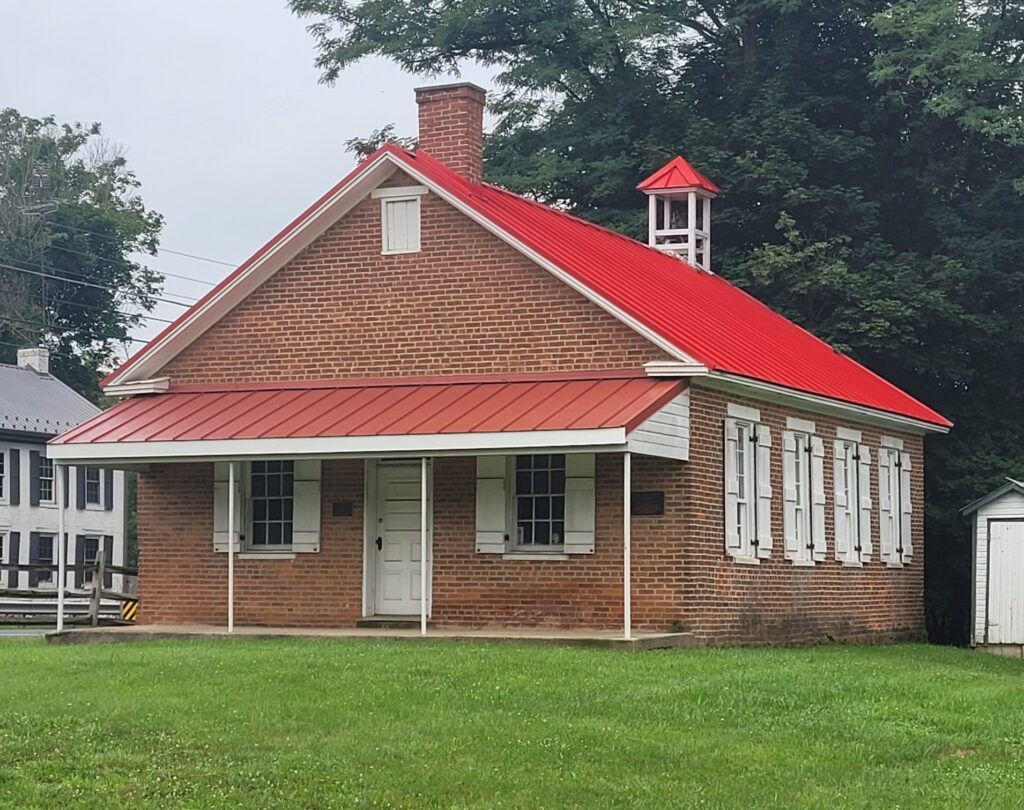
Mount Joy Township traces its roots to around 1749, when European immigrants—many fleeing religious persecution—began settling the area. At the time, the land was still part of York County. In 1800, when Adams County was established, Mount Joy Township became part of the new county.
The township’s early settlers came primarily from two culturally distinct Germanic groups. The first were “Pennsylvania Germans,” often called “Pennsylvania Dutch,” who originated from various regions in west-central Germany and Switzerland. They spoke a unique dialect of German that could still be heard in the township as late as the 1940s. The second group, known as the “Low Dutch,” came from the Netherlands.
Both communities brought with them strong farming traditions and were drawn to the area by its rich, fertile soil. In particular, the limestone-rich lands in the southern part of the county were known to be excellent for growing a wide range of crops—an attractive feature for experienced farmers.
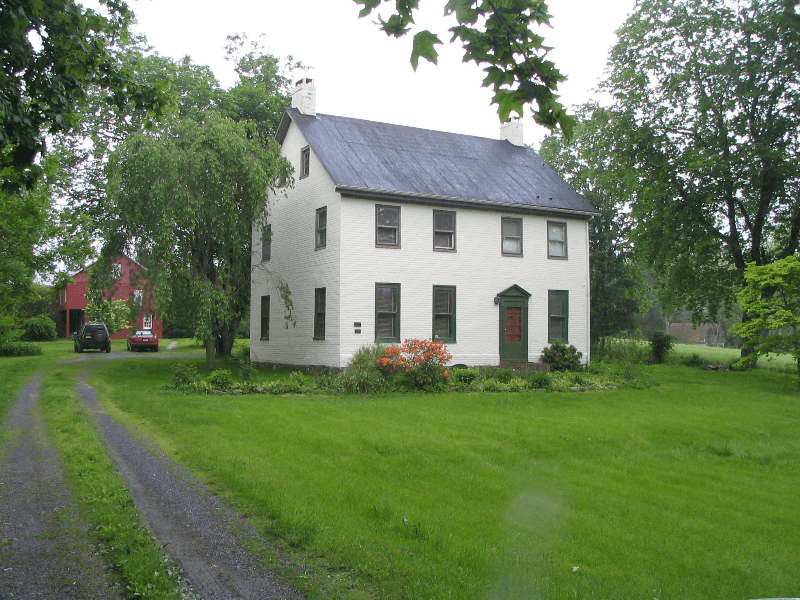
Farming has remained central to Mount Joy’s identity. Many of the original family farmsteads are still active today, now operated by third- or fourth-generation descendants. This strong agricultural heritage continues to shape the township’s rural character and enduring sense of open space.
Mount Joy Township – A Community with Rural Character
and a Rich History.